Blog detalis
Blog detalis
5 Simple Ways To Keep Your Car Looking Clean And Fresh Every Day
5 Simple Ways To Keep Your Car Looking Clean And Fresh Every Day
5 Simple Ways To Keep Your Car Looking Clean And Fresh Every Day

Author
Daniel Carter
Share this blog


Author
Daniel Carter
Share this blog
Author
Daniel Carter
Share this blog

Remove Tough Dirt
Tough dirt and road grime can quickly make a clean vehicle look dull and neglected, especially when the car is regularly driven through busy streets, dusty roads, muddy areas, or changing weather conditions. Unlike loose dust, road grime can stick firmly to painted surfaces, wheels, tires, bumpers, lower body panels, and other exterior areas. Over time, layers of dirt can become increasingly difficult to remove if they are not cleaned properly. Trying to remove stubborn contamination with excessive pressure or unsuitable materials can also create unnecessary marks on the vehicle’s exterior. A careful cleaning process begins by identifying the type and location of the buildup and then using appropriate automotive cleaning products and gentle washing techniques. Allowing water and suitable cleaning solutions to loosen the dirt before wiping can make the process much easier. With regular cleaning and proper attention to problem areas, tough road grime can be managed more effectively while helping your vehicle maintain a cleaner and fresher appearance.
Rinse Before Washing
Before attempting to scrub away tough dirt, it is important to rinse the vehicle thoroughly with clean water. A preliminary rinse helps remove loose dust, sand, mud, and other particles that are sitting on the surface. Removing these loose contaminants first can reduce the amount of dirt that needs to be moved across the paint during the main washing stage. Pay particular attention to the lower body panels, wheel arches, bumpers, side skirts, and areas behind the wheels because these locations often collect heavier road grime. Allowing water to soften dried mud and surface contamination can also make stubborn areas easier to clean without excessive rubbing. A thorough initial rinse creates a cleaner starting point for the rest of the process and helps prepare the vehicle for automotive-safe washing products. Taking this extra step may require a little more time, but it can make the overall cleaning process more controlled and effective.
Use Proper Car Shampoo
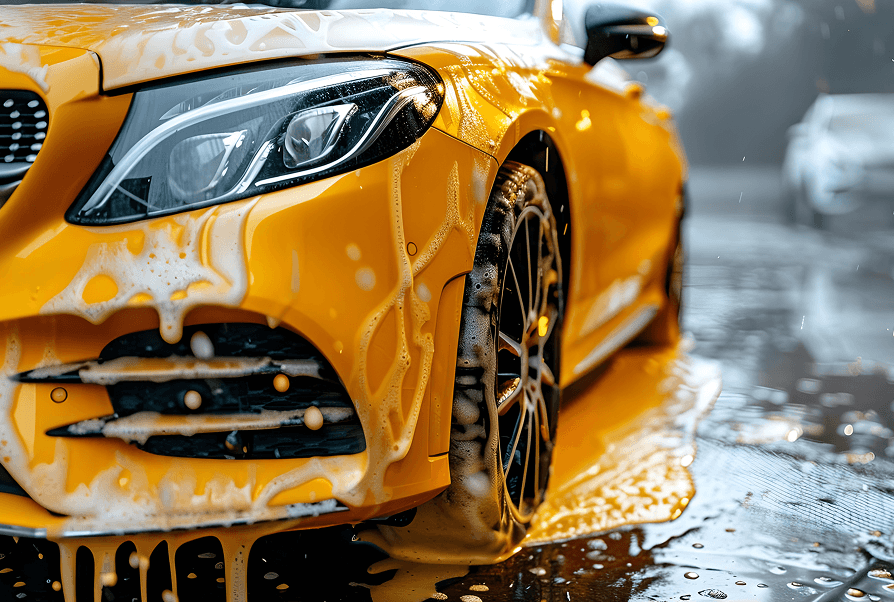
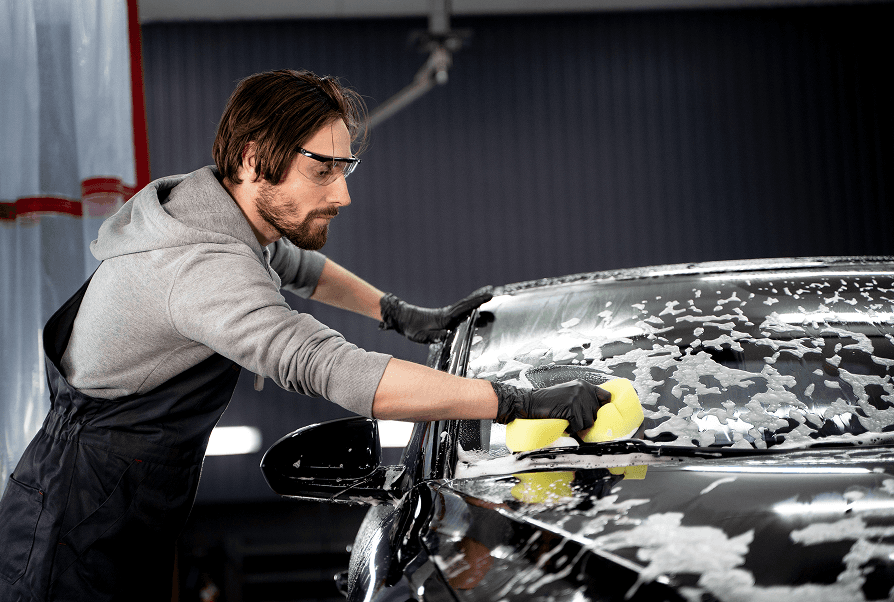
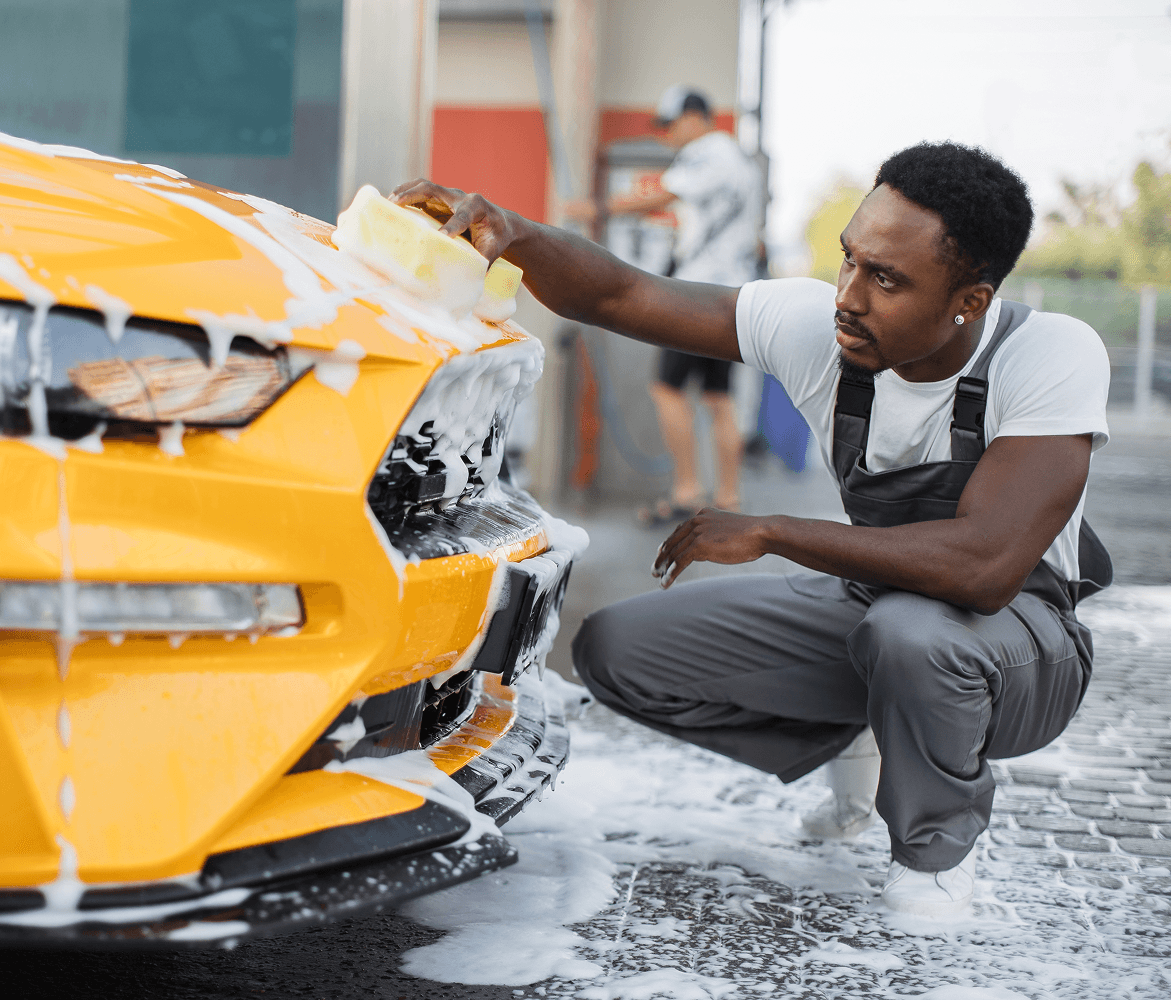
Choosing the right cleaning product is an important part of removing tough road grime without unnecessarily affecting the vehicle’s exterior surfaces. Automotive-specific car shampoo is designed for use on vehicle finishes and can help loosen dirt, grease, dust, and everyday road contamination more effectively than unsuitable household cleaning products. Apply the shampoo according to the product instructions and allow it to work on the surface rather than immediately scrubbing heavily soiled areas. Use a clean, soft wash mitt or microfiber material and work in manageable sections, regularly rinsing the cleaning material to prevent collected dirt from being transferred back onto the vehicle. Start with cleaner areas and gradually move toward more heavily contaminated sections, giving additional attention to lower panels and other areas exposed directly to road grime. Using suitable products and controlled washing techniques can help make the cleaning process safer and more efficient while leaving the exterior looking noticeably cleaner.
Focus On Lower Panels
The lower portions of a vehicle often collect more road grime than higher painted surfaces because they are closer to the road and receive direct exposure to water, mud, dust, and debris. Areas such as rocker panels, lower doors, bumpers, wheel arches, and the rear section can develop thick layers of contamination, particularly after driving through wet or muddy conditions. These areas should receive dedicated attention during the cleaning process rather than being treated as an afterthought. Begin by rinsing them thoroughly to loosen loose particles before applying an appropriate automotive cleaning solution. Allow stubborn buildup to soften before gently cleaning the surface with suitable materials. Avoid using excessive pressure or rough tools simply because the dirt appears difficult to remove. Working patiently in smaller sections can help gradually break down the buildup while reducing unnecessary contact with the surface. Giving lower panels the attention they need can make a significant difference in the overall appearance of the vehicle after washing.

Clean Wheels & Tires
Wheels and tires can collect some of the toughest contamination on a vehicle because they are constantly exposed to road conditions, brake dust, mud, water, and dirt. Heavy buildup can settle around wheel spokes, edges, tire sidewalls, wheel arches, and other difficult-to-reach areas. Because these components can require different cleaning methods from painted body panels, it is important to use products suitable for the specific wheel and tire surfaces. Start with a thorough rinse to remove loose contamination, then apply an appropriate wheel or tire cleaner where necessary. Allow the product to loosen the buildup according to its instructions before carefully cleaning the surfaces with suitable brushes or microfiber materials. Pay attention to areas that are easy to overlook, including the inner edges of visible spokes and the spaces around the wheel arches. Keeping wheels and tires clean not only improves the overall appearance of the vehicle but also helps prevent heavy grime from becoming a recurring problem.
Finish With Proper Drying
After tough dirt and road grime have been removed, proper drying is an important final step in maintaining a clean and attractive exterior. Leaving large amounts of water on the vehicle can result in visible water spots, especially when the water contains minerals or when the vehicle is left to dry under direct sunlight. Use clean, soft microfiber drying towels or suitable automotive drying equipment to remove remaining water from the body panels, mirrors, windows, trim, wheels, and other exterior surfaces. Work carefully and pay attention to areas where water can remain trapped, such as around door edges, mirrors, handles, trim, and wheel sections. Once the vehicle is dry, inspect the paintwork and exterior surfaces for any remaining dirt, residue, or areas that require additional attention. Regular washing combined with proper drying can help maintain a cleaner-looking finish and reduce the amount of stubborn buildup that develops over time. When heavy contamination becomes difficult to manage, professional car washing and detailing can provide deeper cleaning with specialized products and equipment.