Blog detalis
Blog detalis
5 Simple Ways To Keep Your Car Looking Clean And Fresh Every Day
5 Simple Ways To Keep Your Car Looking Clean And Fresh Every Day
5 Simple Ways To Keep Your Car Looking Clean And Fresh Every Day

Author
Emma Carter
Share this blog


Author
Emma Carter
Share this blog
Author
Emma Carter
Share this blog

Wash Your Car Regularly
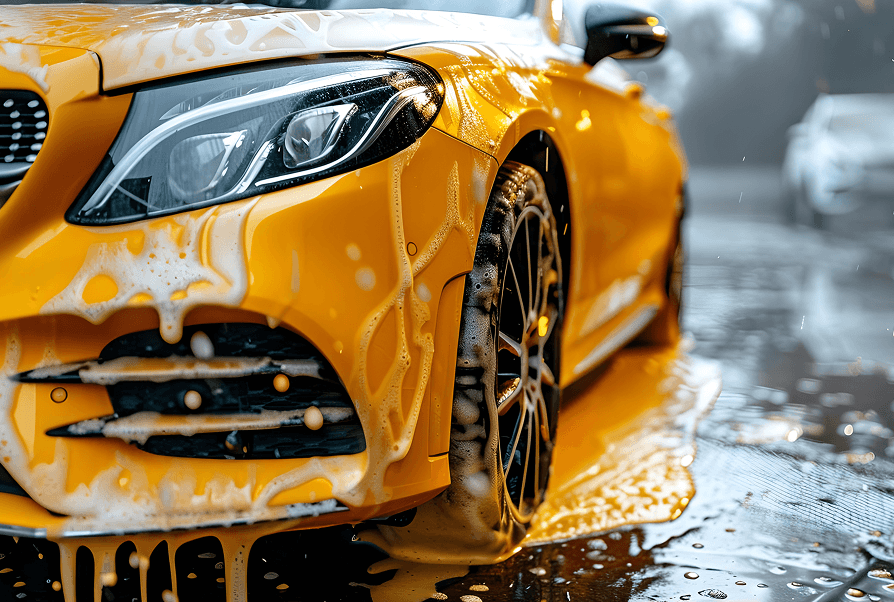
Keeping your car’s paint looking fresh and well-maintained requires more than simply washing it whenever it becomes visibly dirty. Every time your vehicle is driven or parked outside, its exterior is exposed to dust, road grime, rain, mud, pollution, sunlight, insects, bird droppings, tree residue, and many other environmental contaminants. Over time, these substances can build up across the paintwork and make the vehicle appear dull or neglected. A consistent washing routine helps remove these contaminants before they become difficult to clean and helps maintain the overall appearance of the exterior. The right washing frequency depends on how often you drive, where you park, the condition of the roads you use, and the weather in your area. Vehicles regularly exposed to dusty roads, heavy traffic, rain, or outdoor conditions may need more frequent attention than vehicles that are driven occasionally and stored in a covered location. By creating a practical washing schedule and using proper automotive cleaning techniques, you can keep your vehicle looking cleaner, fresher, and better cared for throughout the year.
Weekly Washing
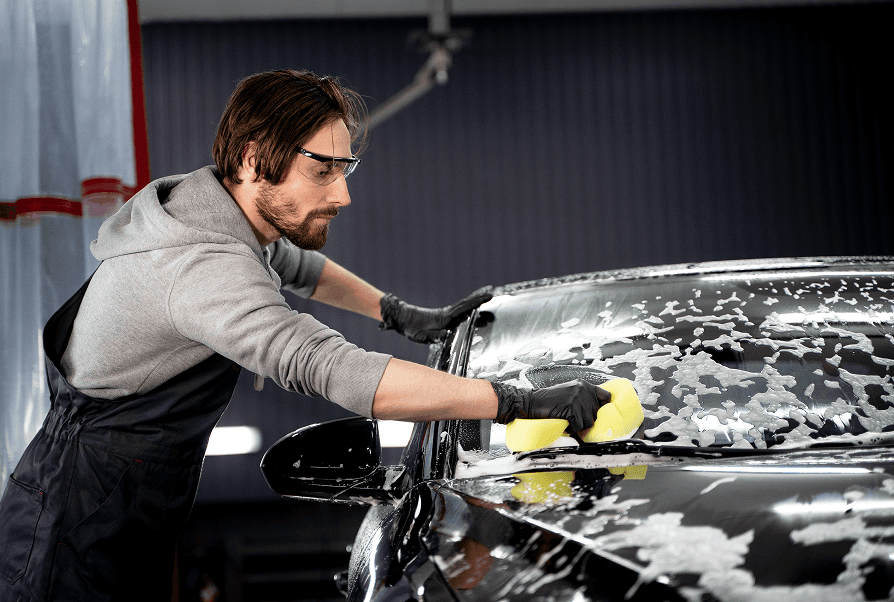
For vehicles that are driven regularly, a weekly wash can be a useful routine for controlling everyday dirt, dust, and road grime before they become heavily accumulated. Even when a vehicle does not look extremely dirty, a thin layer of contaminants can gradually collect across the paint, wheels, windows, mirrors, and lower body panels. Regular washing helps remove this buildup and keeps the exterior looking consistently clean rather than allowing dirt to remain on the surface for long periods. During a weekly wash, it is important to clean the entire vehicle rather than concentrating only on the most visible areas. Lower doors, bumpers, wheel arches, side skirts, mirrors, and rear sections can often collect more road grime than expected. Using automotive-specific shampoo, clean water, soft wash materials, and clean microfiber towels can help provide a thorough cleaning while treating the paintwork carefully. A consistent weekly routine can also make each wash easier because there is less accumulated contamination to remove. Over time, maintaining this simple habit can help your vehicle retain a cleaner and more presentable appearance.
After Rain Or Storms
Rain does not always leave your car cleaner, especially when it occurs in areas where the air contains dust, pollution, or other airborne particles. Rainwater can carry contaminants onto the vehicle and leave behind residue as the water evaporates. Heavy storms can also expose your car to mud, road splash, leaves, small debris, and other materials that may collect across the exterior. When rainwater dries naturally on the paint, visible water spots can sometimes develop, particularly when mineral-rich water is involved. After significant rainfall or stormy weather, it is useful to inspect the vehicle once conditions are safe and determine whether additional cleaning is necessary. If the exterior has accumulated noticeable dirt or residue, a proper wash can help remove the buildup before it becomes more difficult to clean. Pay attention to the roof, hood, trunk, windows, mirrors, wheels, and lower body panels because these areas can collect different types of residue during wet conditions. Regularly checking the vehicle after heavy weather allows you to respond to contamination instead of allowing it to remain on the paint for extended periods.
After Long Drives
Long-distance journeys can expose your vehicle to considerably more dirt and road contamination than a short everyday commute. During an extended drive, the front of the car can collect insects, dust, road grime, and other debris, while the lower body panels, wheels, tires, and wheel arches can become covered with additional road residue. Highway driving and dusty or muddy roads can increase the amount of contamination that settles on the exterior, especially when the vehicle is driven for several hours. Once you return from a long trip, it is a good idea to inspect the vehicle and identify areas that have accumulated significant dirt. Removing this buildup sooner can make the cleaning process easier and prevent contaminants from remaining on the exterior for an unnecessarily long period. A thorough wash should include the areas that receive the most direct exposure, such as the front bumper, grille area, hood, windshield, mirrors, wheels, and lower sections of the body. If the vehicle has been exposed to particularly difficult road conditions, professional washing or detailing may provide additional attention to areas that are harder to clean thoroughly at home.
Wash Your Car Regularly
Keeping your car’s paint looking fresh and well-maintained requires more than simply washing it whenever it becomes visibly dirty. Every time your vehicle is driven or parked outside, its exterior is exposed to dust, road grime, rain, mud, pollution, sunlight, insects, bird droppings, tree residue, and many other environmental contaminants. Over time, these substances can build up across the paintwork and make the vehicle appear dull or neglected. A consistent washing routine helps remove these contaminants before they become difficult to clean and helps maintain the overall appearance of the exterior. The right washing frequency depends on how often you drive, where you park, the condition of the roads you use, and the weather in your area. Vehicles regularly exposed to dusty roads, heavy traffic, rain, or outdoor conditions may need more frequent attention than vehicles that are driven occasionally and stored in a covered location. By creating a practical washing schedule and using proper automotive cleaning techniques, you can keep your vehicle looking cleaner, fresher, and better cared for throughout the year.
Weekly Washing
For vehicles that are driven regularly, a weekly wash can be a useful routine for controlling everyday dirt, dust, and road grime before they become heavily accumulated. Even when a vehicle does not look extremely dirty, a thin layer of contaminants can gradually collect across the paint, wheels, windows, mirrors, and lower body panels. Regular washing helps remove this buildup and keeps the exterior looking consistently clean rather than allowing dirt to remain on the surface for long periods. During a weekly wash, it is important to clean the entire vehicle rather than concentrating only on the most visible areas. Lower doors, bumpers, wheel arches, side skirts, mirrors, and rear sections can often collect more road grime than expected. Using automotive-specific shampoo, clean water, soft wash materials, and clean microfiber towels can help provide a thorough cleaning while treating the paintwork carefully. A consistent weekly routine can also make each wash easier because there is less accumulated contamination to remove. Over time, maintaining this simple habit can help your vehicle retain a cleaner and more presentable appearance.
After Rain Or Storms
Rain does not always leave your car cleaner, especially when it occurs in areas where the air contains dust, pollution, or other airborne particles. Rainwater can carry contaminants onto the vehicle and leave behind residue as the water evaporates. Heavy storms can also expose your car to mud, road splash, leaves, small debris, and other materials that may collect across the exterior. When rainwater dries naturally on the paint, visible water spots can sometimes develop, particularly when mineral-rich water is involved. After significant rainfall or stormy weather, it is useful to inspect the vehicle once conditions are safe and determine whether additional cleaning is necessary. If the exterior has accumulated noticeable dirt or residue, a proper wash can help remove the buildup before it becomes more difficult to clean. Pay attention to the roof, hood, trunk, windows, mirrors, wheels, and lower body panels because these areas can collect different types of residue during wet conditions. Regularly checking the vehicle after heavy weather allows you to respond to contamination instead of allowing it to remain on the paint for extended periods.
After Long Drives
Long-distance journeys can expose your vehicle to considerably more dirt and road contamination than a short everyday commute. During an extended drive, the front of the car can collect insects, dust, road grime, and other debris, while the lower body panels, wheels, tires, and wheel arches can become covered with additional road residue. Highway driving and dusty or muddy roads can increase the amount of contamination that settles on the exterior, especially when the vehicle is driven for several hours. Once you return from a long trip, it is a good idea to inspect the vehicle and identify areas that have accumulated significant dirt. Removing this buildup sooner can make the cleaning process easier and prevent contaminants from remaining on the exterior for an unnecessarily long period. A thorough wash should include the areas that receive the most direct exposure, such as the front bumper, grille area, hood, windshield, mirrors, wheels, and lower sections of the body. If the vehicle has been exposed to particularly difficult road conditions, professional washing or detailing may provide additional attention to areas that are harder to clean thoroughly at home.

Remove Contaminants Quickly
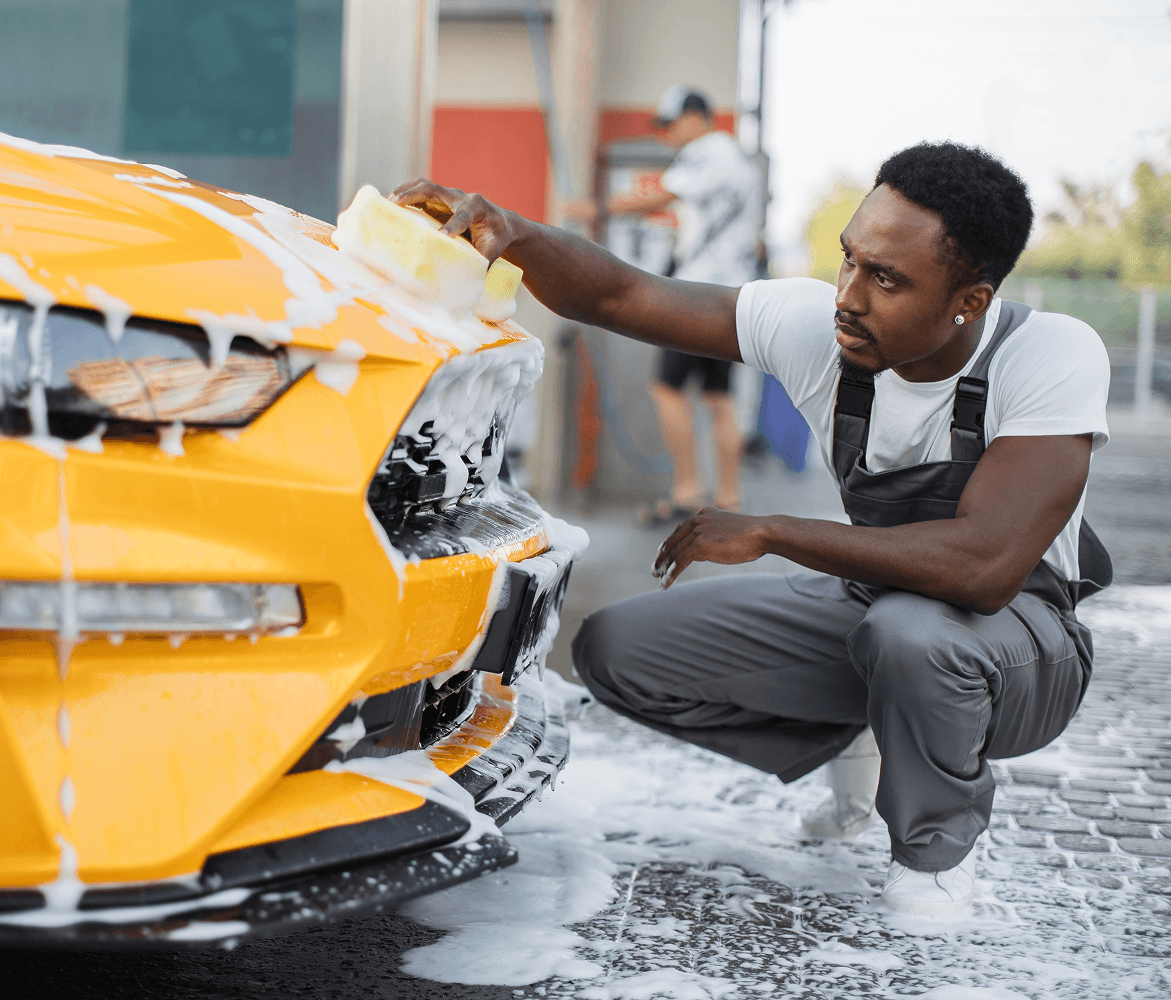
While maintaining a regular washing schedule is important, some contaminants should be addressed sooner rather than waiting for the next planned wash. Bird droppings, insects, tree residue, mud, and other substances can become increasingly difficult to remove when they remain on painted surfaces for extended periods. Instead of allowing these materials to dry and build up, clean affected areas as soon as reasonably possible using appropriate automotive-safe products and soft cleaning materials. It is important to avoid aggressively scraping, rubbing, or wiping dry contamination because this can potentially leave unwanted marks on the surface. Allowing suitable cleaning products or water to loosen the material can make removal easier and reduce unnecessary contact with the paint. Keeping a few basic car-care supplies available can make it easier to deal with small contaminated areas between full washes. Quick attention does not replace regular washing, but it can help prevent individual problem areas from becoming more difficult to manage. This simple habit is especially useful for vehicles that spend a lot of time outdoors or are regularly exposed to trees, birds, dusty roads, and busy traffic environments.
Adjust For Your Environment
There is no single washing schedule that works perfectly for every vehicle because driving habits, parking conditions, weather, and local surroundings can significantly affect how quickly dirt accumulates. A car that is frequently driven through dusty roads, construction areas, muddy streets, or heavy traffic may require more regular washing than a vehicle that is driven occasionally on cleaner roads. Vehicles parked outdoors can also receive greater exposure to sunlight, rain, tree residue, bird droppings, and airborne dust compared with cars stored in a garage or covered area. During periods of heavy rain, dusty weather, or other challenging conditions, checking the exterior more frequently can help you determine when another wash is necessary. Instead of following a rigid schedule without considering the vehicle’s actual condition, use the appearance and level of contamination as a guide. If dirt is beginning to build up noticeably, it may be time for another wash even if your usual schedule says otherwise. Adjusting your cleaning routine according to your environment allows you to provide more appropriate care and helps prevent excessive buildup on the paintwork.
Remove Contaminants Quickly
While maintaining a regular washing schedule is important, some contaminants should be addressed sooner rather than waiting for the next planned wash. Bird droppings, insects, tree residue, mud, and other substances can become increasingly difficult to remove when they remain on painted surfaces for extended periods. Instead of allowing these materials to dry and build up, clean affected areas as soon as reasonably possible using appropriate automotive-safe products and soft cleaning materials. It is important to avoid aggressively scraping, rubbing, or wiping dry contamination because this can potentially leave unwanted marks on the surface. Allowing suitable cleaning products or water to loosen the material can make removal easier and reduce unnecessary contact with the paint. Keeping a few basic car-care supplies available can make it easier to deal with small contaminated areas between full washes. Quick attention does not replace regular washing, but it can help prevent individual problem areas from becoming more difficult to manage. This simple habit is especially useful for vehicles that spend a lot of time outdoors or are regularly exposed to trees, birds, dusty roads, and busy traffic environments.
Adjust For Your Environment
There is no single washing schedule that works perfectly for every vehicle because driving habits, parking conditions, weather, and local surroundings can significantly affect how quickly dirt accumulates. A car that is frequently driven through dusty roads, construction areas, muddy streets, or heavy traffic may require more regular washing than a vehicle that is driven occasionally on cleaner roads. Vehicles parked outdoors can also receive greater exposure to sunlight, rain, tree residue, bird droppings, and airborne dust compared with cars stored in a garage or covered area. During periods of heavy rain, dusty weather, or other challenging conditions, checking the exterior more frequently can help you determine when another wash is necessary. Instead of following a rigid schedule without considering the vehicle’s actual condition, use the appearance and level of contamination as a guide. If dirt is beginning to build up noticeably, it may be time for another wash even if your usual schedule says otherwise. Adjusting your cleaning routine according to your environment allows you to provide more appropriate care and helps prevent excessive buildup on the paintwork.